|
Happy new year from ScottishGenealogy.ca!
Our 2026 Edinburgh research trip, which runs June 13-20, is open to registration with four spots left. If you haven't already signed up, we'd love to have you join us. You can register here: https://scottishgenealogy.ca/registration/
Why research at Scotland's People Centre when you can access the site from home?
As well as the joy of being in the country of your ancestors and the chance to explore amazing city, researching your family history at Scotland's People is a great opportunity to make quick progress and even break down brick walls.
At home, viewing a single document costs 6 credits. At Scotland's People, you can view as many documents as you have time for for zero credits. Only printing or saving a viewed document costs credits.
In practical terms, this means hunting down, for example, your particular James Fraser from Inverness-shire (one of my commonly-named and located forebears) goes from being a cost-prohibitive guessing game at home to a simple methodical search through the list of search results to find - with luck - the one you're looking for.
Also, at Scotland's People Centre, you can look at and transcribe (but not save or print) modern-day records, allowing you to confirm or discover your more recent family details.
And of course, if you want to dig into things like court records, estate records, and more, there's the historical search room of the National Records of Scotland upstairs from Scotland's People Centre that you can visit while you're there. ScottishGenealogy.ca registrants will receive information about visiting the historical search room including what the process of getting a reader's ticket looks like, planning your visit, and what to expect while you're there.
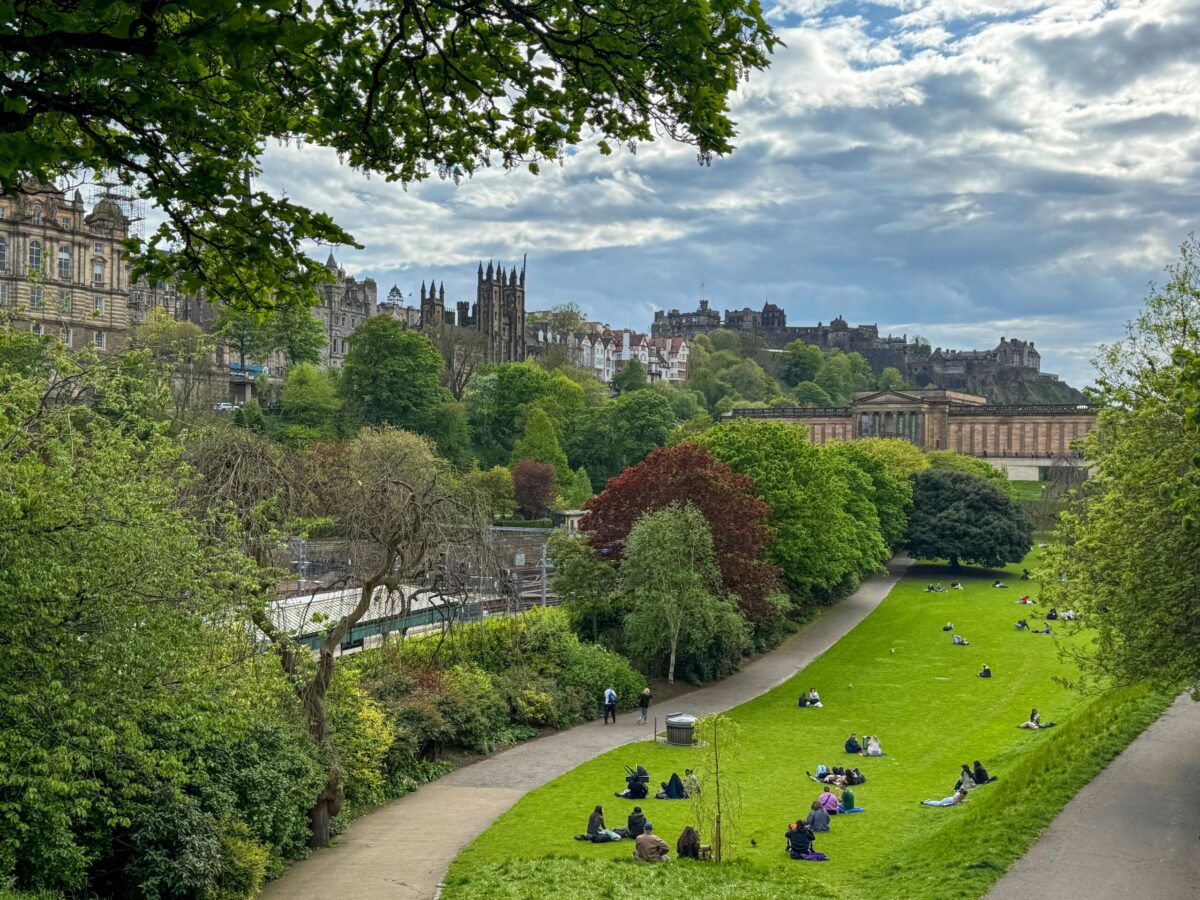
When we're not busy researching, Edinburgh is an incredible city to explore, full of history, quirky little museums, great food, bookshops galore, and much more. I never tire of being in Edinburgh.
Genealogy Tip
Go wilder with wildcards!
As you probably know, some research sites, including Scotland's People, allow you to use the wildcard symbol * to stand in for one or more letters in your searches. Wildcards are great because spelling consistency and name variations are a given in family history research. You've probably already used wildcards for searches with Mc/Mac names - M*Kenzie, for example.
When you still can't find someone you're hunting for, try adding even more wildcards to your search. Instead of "Don*d M*Kenzie" to try to find your Donald, try "D*n* M*K*n*"
Sure, you'll end up with a lot of irrelevant search results you'll have to skim through. But you may just find that your Donald was registered as Daniel (or vice versa), or that he was registered as "Dond MacKinzi," as one 1793-born baby in the Church of Scotland Old Parish Records was.
|